More than seventy years after her death, Frida Kahlo continues to occupy a unique position in global culture. She is one of the few artists whose image is instantly recognizable far beyond the museum, appearing equally in academic discourse, fashion, political activism, and popular culture. Yet behind the familiar face adorned with flowers and the unmistakable unibrow lies a far more complex story. Frida: The Making of an Icon, opening at Tate Modern, sets out not to retell Kahlo’s biography, but to examine how she became one of the most influential artistic figures of the twentieth and twenty-first centuries.
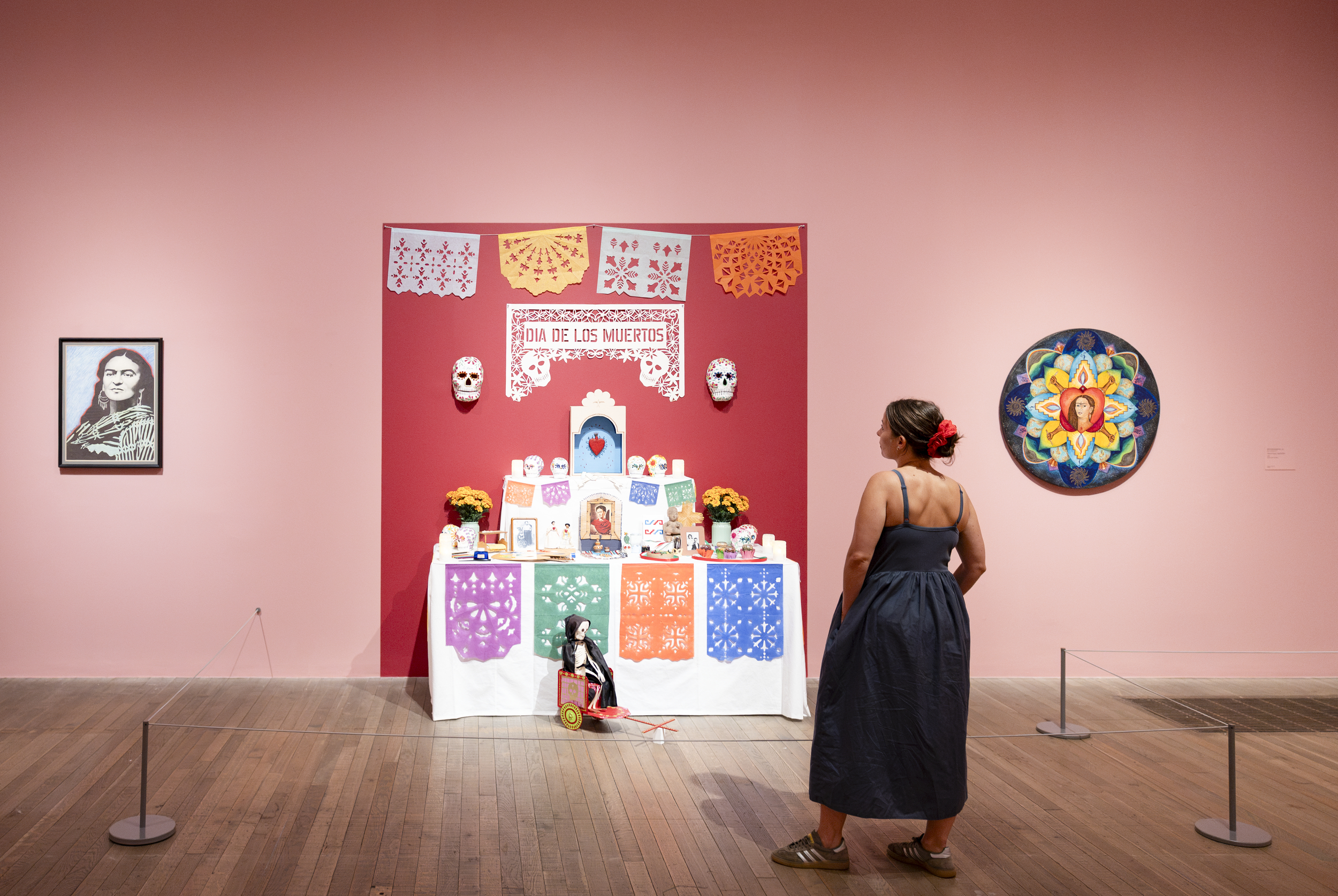
Developed in collaboration with the Museum of Fine Arts, Houston, the exhibition brings together more than thirty paintings by Kahlo alongside photographs, archival material, personal belongings, and works by generations of artists who have responded to her legacy. Rather than presenting Kahlo as an isolated genius, the exhibition places her within a network of artistic, political and cultural exchanges that continue to resonate today.
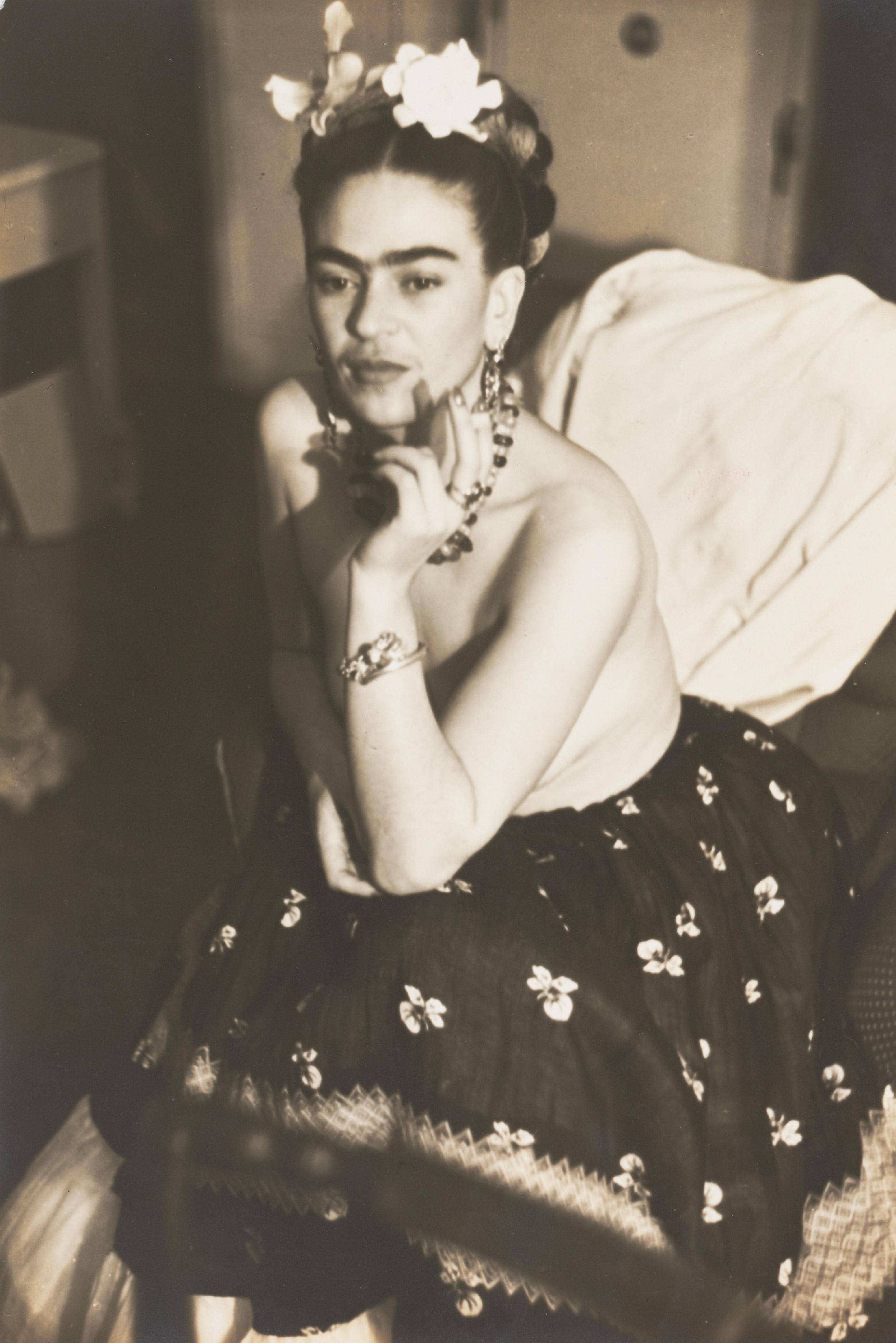
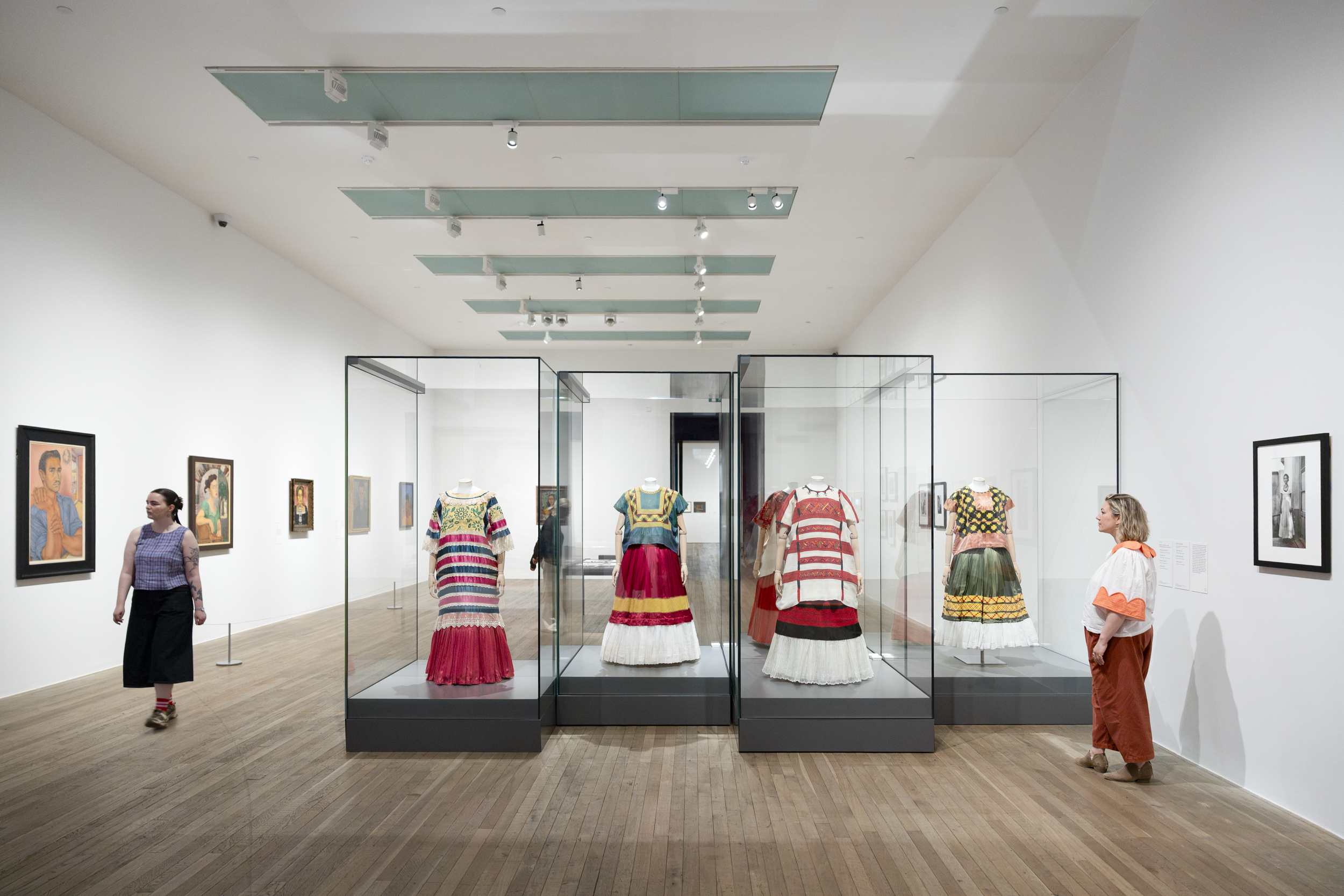
The journey begins with Kahlo’s own construction of identity. Throughout her career, she transformed self-portraiture into a language through which personal experience became universal. Her paintings explore physical pain, emotional vulnerability, political conviction and cultural heritage with an honesty that remains remarkably contemporary. The exhibition traces how she consciously shaped her public image, using clothing, symbolism and photography to create one of the most distinctive artistic identities of the modern era.
Among the highlights are several rarely exhibited self-portraits, revealing the extraordinary consistency with which Kahlo used her own body as both subject and narrative. These works are presented alongside paintings by fellow figures of the Mexican Renaissance, including Diego Rivera and María Izquierdo, illuminating the creative dialogue that defined one of the most important moments in twentieth-century Mexican art.
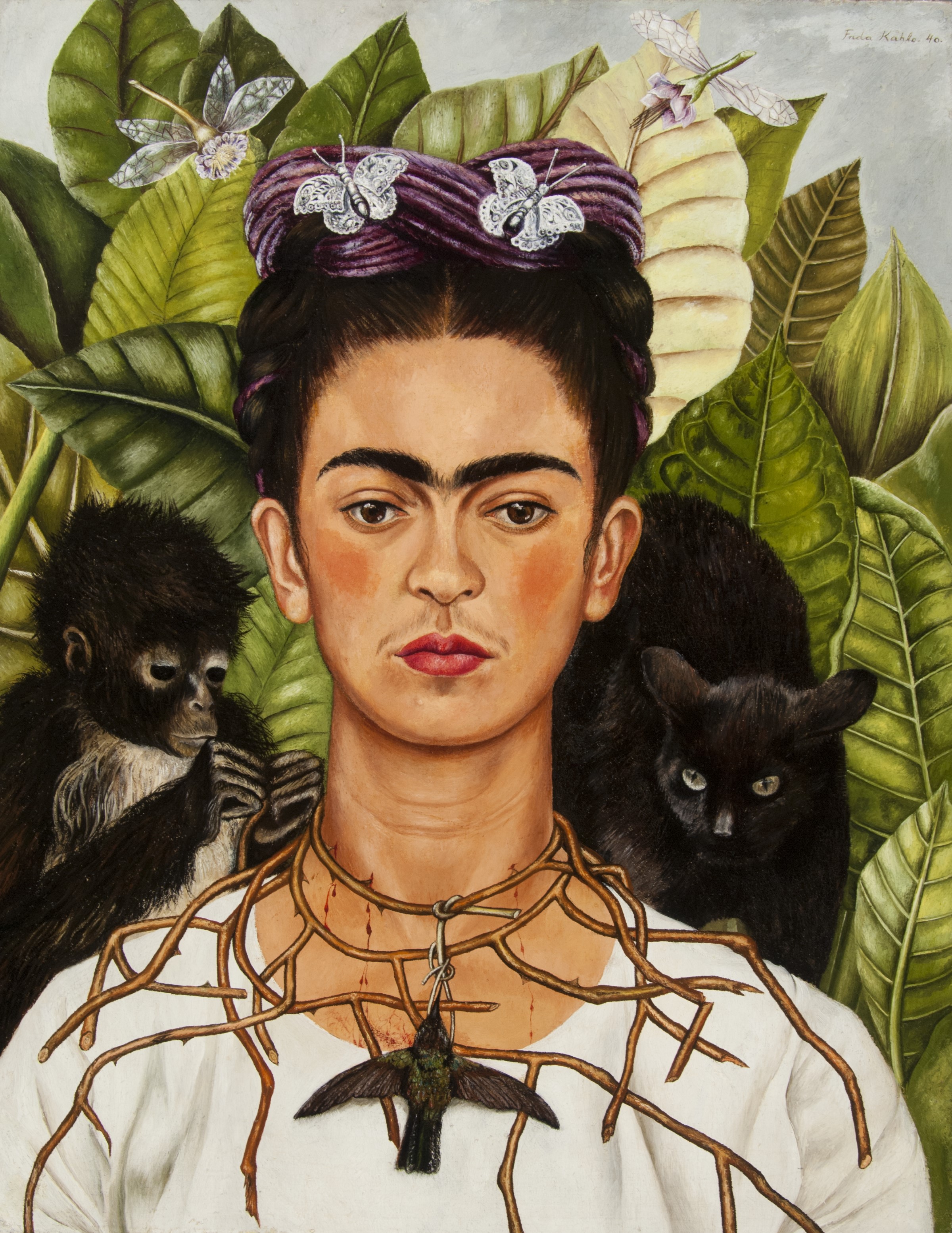
A central section of the exhibition revisits Kahlo’s often debated relationship with Surrealism. Although she repeatedly rejected the label, her paintings share many of the movement’s visual strategies: dreamlike symbolism, fragmented bodies and psychological landscapes where reality and imagination merge seamlessly. Masterpieces including The Frame (1938), Memory (The Heart) (1937) and Girl with a Death Mask (1938) reveal an artist who transformed autobiography into powerful visual allegory. Presented alongside works by Leonora Carrington, Kati Horna and other artists connected to Surrealism, Kahlo emerges not as a follower of the movement but as one of its most singular voices.
The exhibition also charts the remarkable transformation of Kahlo’s reputation after her death. While respected during her lifetime, it was only decades later that her work achieved international recognition. The Chicano movement in the United States embraced her as a symbol of cultural identity and political resistance, while feminist artists recognised in her paintings a radically honest representation of the female body, sexuality and lived experience. Artists including Judy Chicago, Ana Mendieta, Kiki Smith and Yasumasa Morimura demonstrate how Kahlo’s influence has extended across generations, geographies and artistic disciplines.
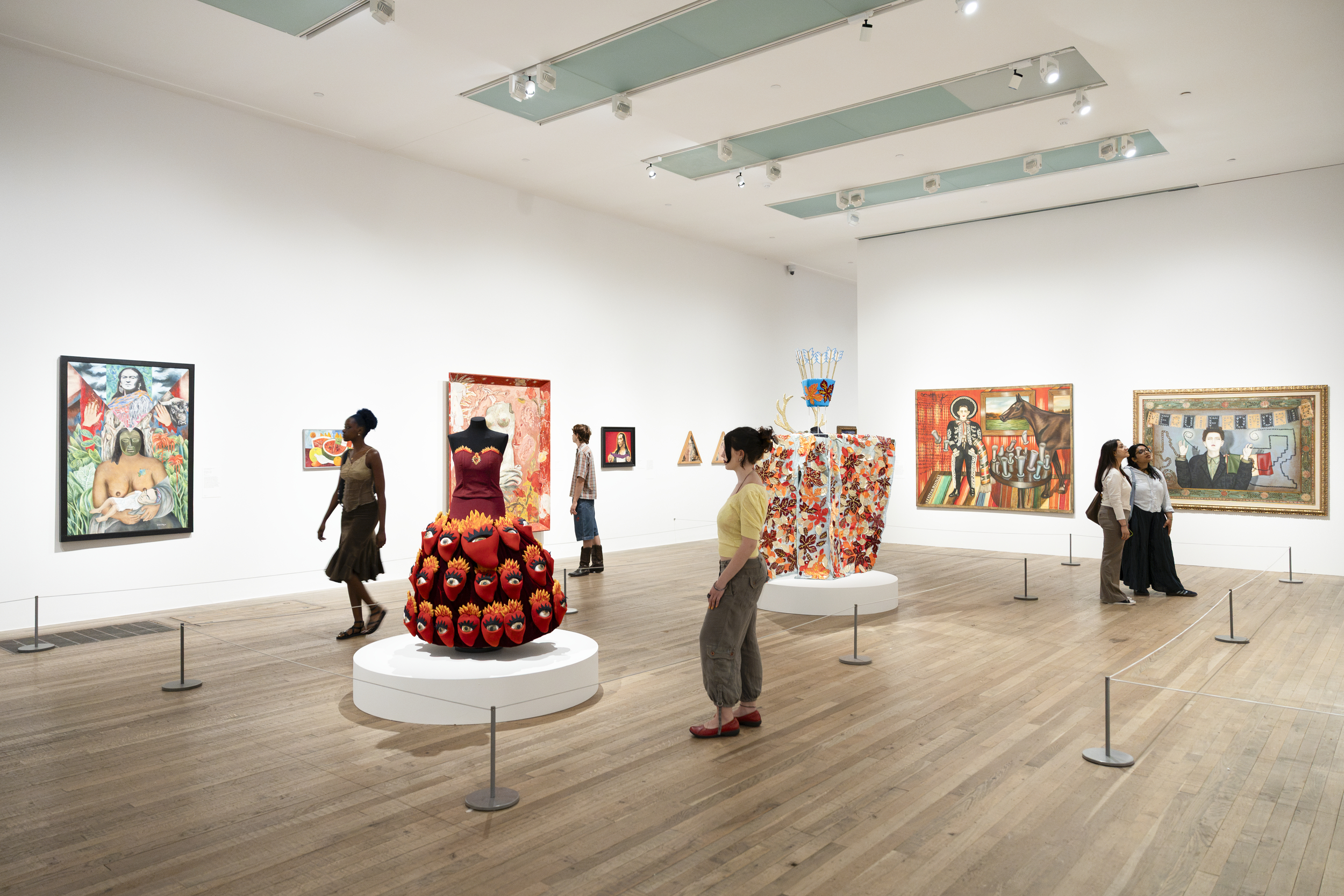
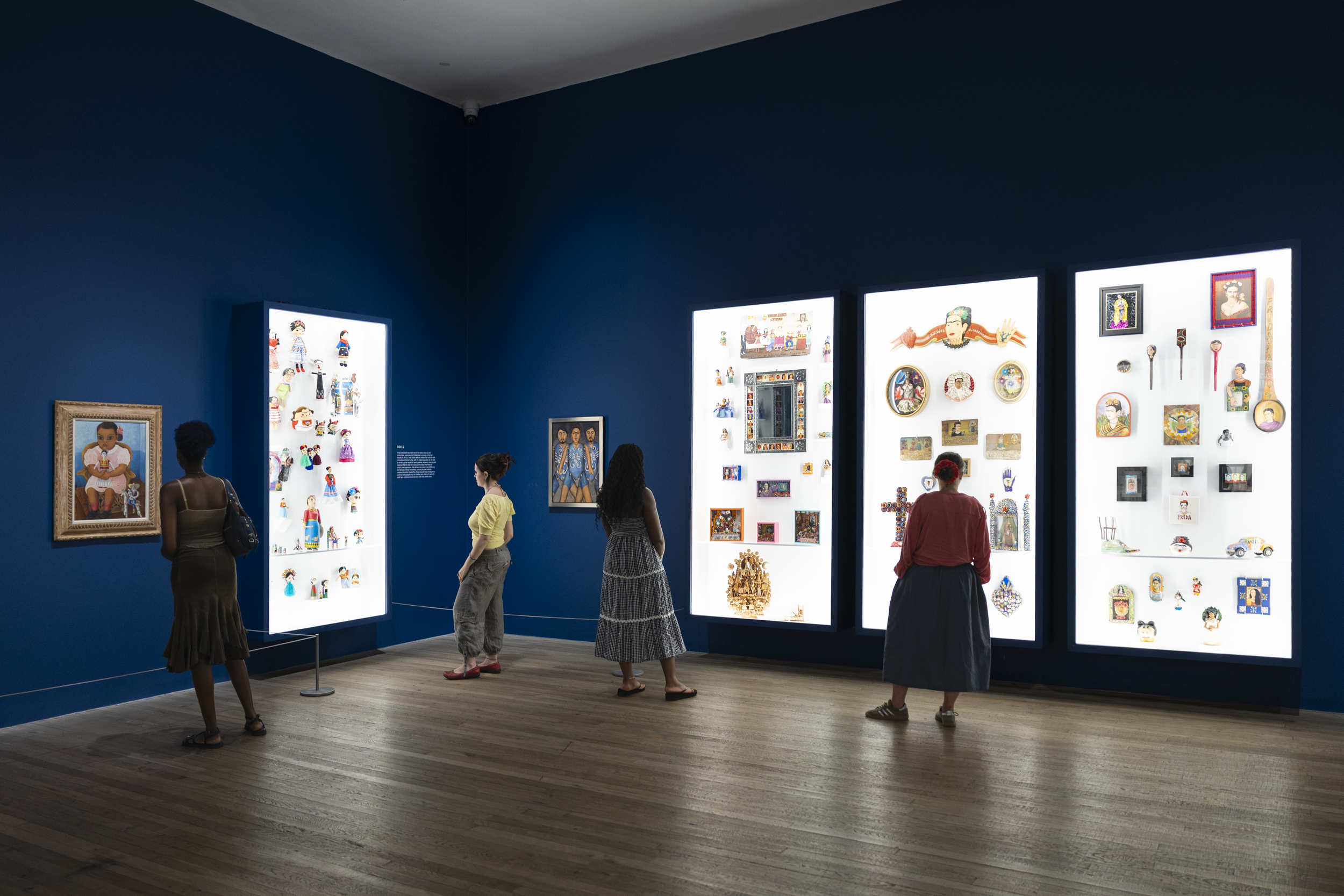
Perhaps the exhibition’s most thought-provoking section addresses Kahlo’s evolution from artist into global brand. Hundreds of commercial objects—from fashion accessories and perfumes to dolls, posters and souvenirs—illustrate the phenomenon often referred to as “Fridamania.” Rather than simply celebrating her popularity, Tate asks a more difficult question: what happens when an artist’s image becomes more famous than the work itself? The exhibition explores the tensions between cultural icon, political symbol and commercial commodity, inviting visitors to reconsider the complex relationship between artistic legacy and mass culture.
What distinguishes Frida: The Making of an Icon is its refusal to separate the artist from the myths that surround her. Instead, it demonstrates how those myths have continually evolved, shaped by successive generations who have found new meanings in her life and work. The result is less a retrospective than an investigation into the making of cultural memory itself.
More than seventy years after her death, Frida Kahlo remains an artist who speaks across borders and identities. Her paintings continue to challenge conventional ideas of beauty, gender, disability and national identity, while her image has become one of the most powerful visual symbols of resilience and self-definition. Tate Modern’s exhibition reminds us that icons are not born—they are continually recreated. Few artists have undergone that process as profoundly as Frida Kahlo.
Frida: The Making of an Icon
Tate Modern, London
25 June 2026 – 3 January 2027