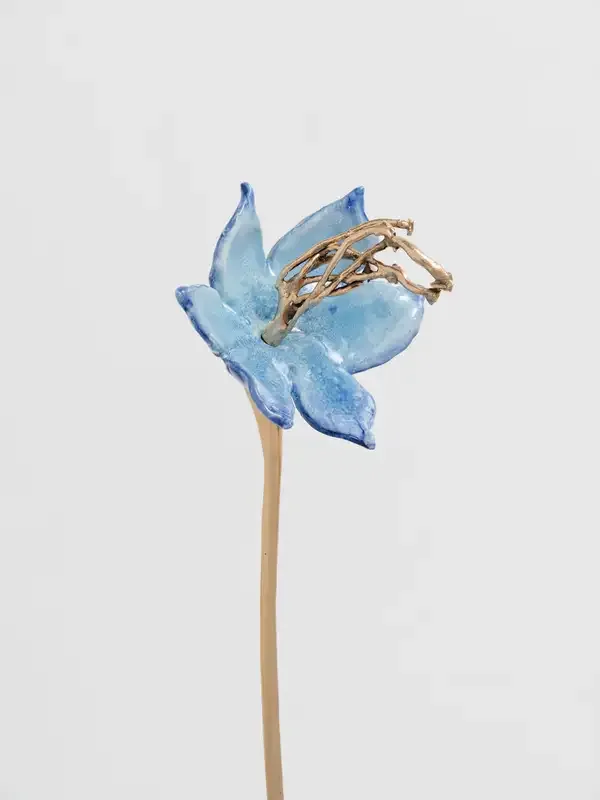
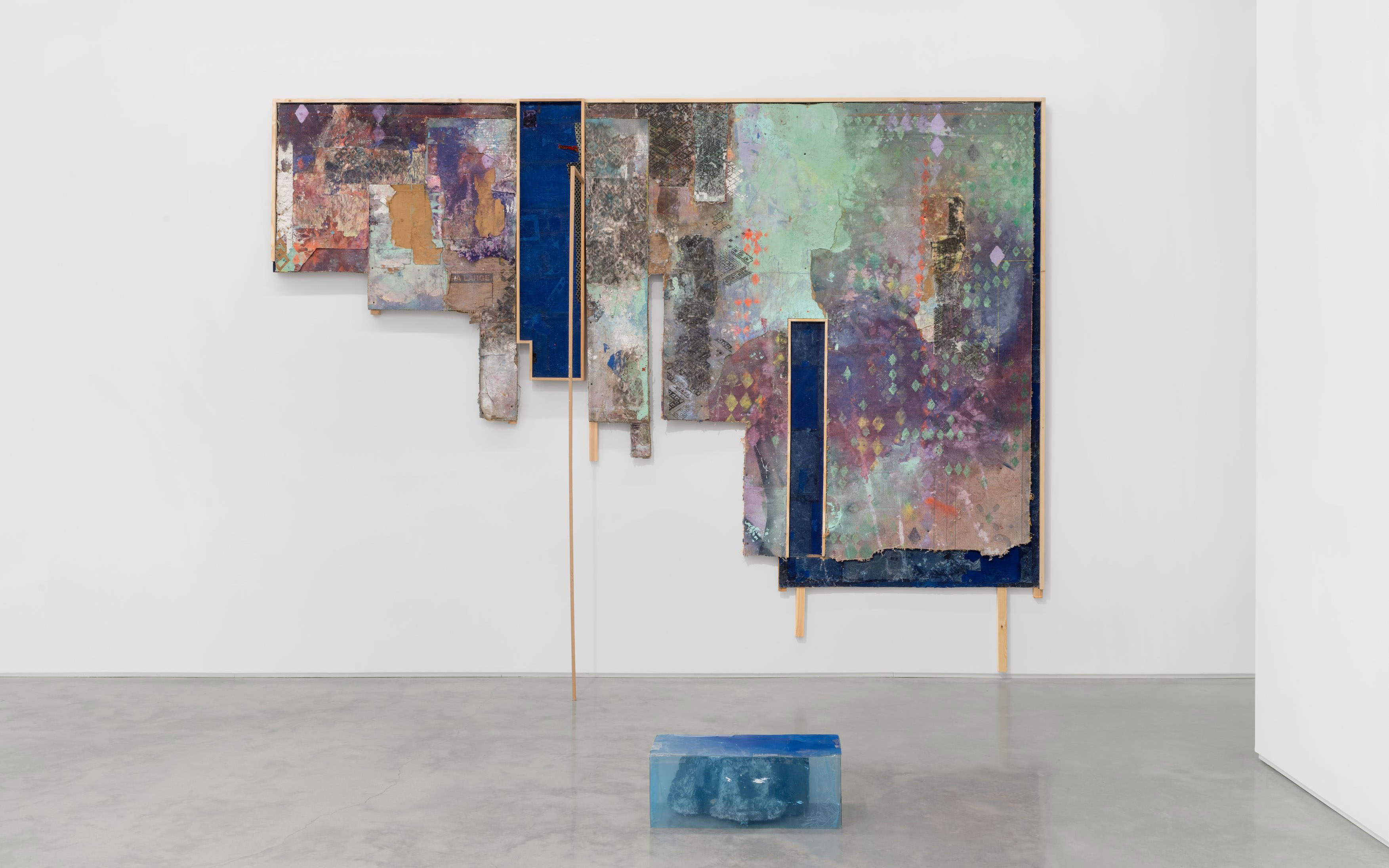
The Armory Show returned to New York with an active market, major museum acquisitions and a broader international outlook, bringing 242 exhibitors from more than 30 countries to the Javits Center.
The Armory Show 2026 opened its VIP preview on Thursday, September 24, at the Javits Center in New York, setting an active commercial tone from the first hours. Across the fair, collectors moved between established names, emerging galleries and solo presentations, with sales taking place at very different levels of the market.
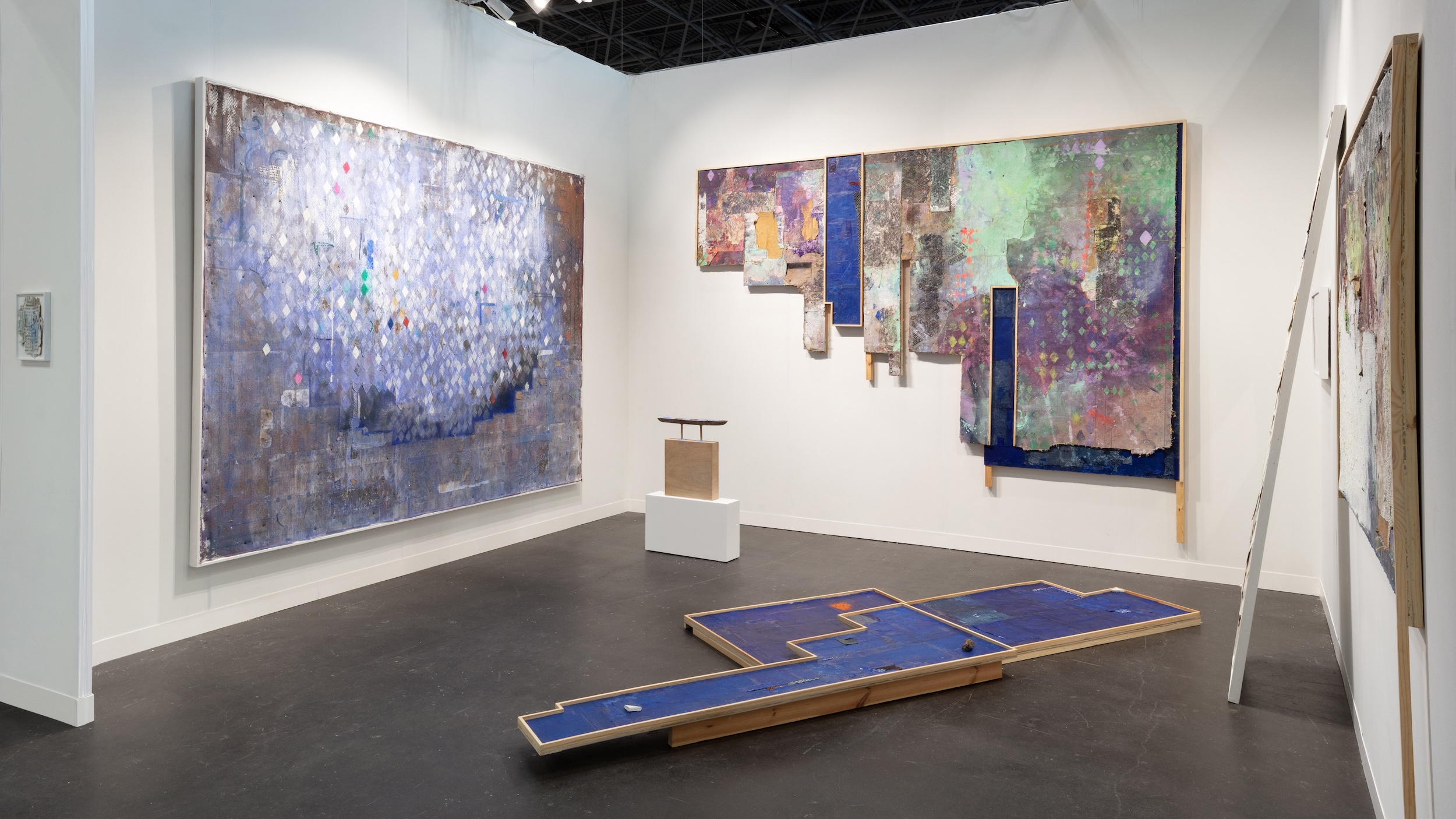
The 32nd edition ultimately welcomed approximately 50,000 visitors over four days, from September 24 through 27. Under director Kyla McMillan, the fair expanded to 242 exhibitors from more than 30 countries and gave greater visibility to its Presents and Solo sections, strengthening the role of younger galleries and focused artist presentations.
Major Sales from the Opening Hours
The VIP preview quickly produced significant transactions.
One of the most important opening-day sales was a Joan Mitchell painting, placed by Michael Rosenfeld Gallery with a private collection for more than $2 million. The gallery also reported sales of works by Richmond Barthé, Louise Nevelson and Benny Andrews.
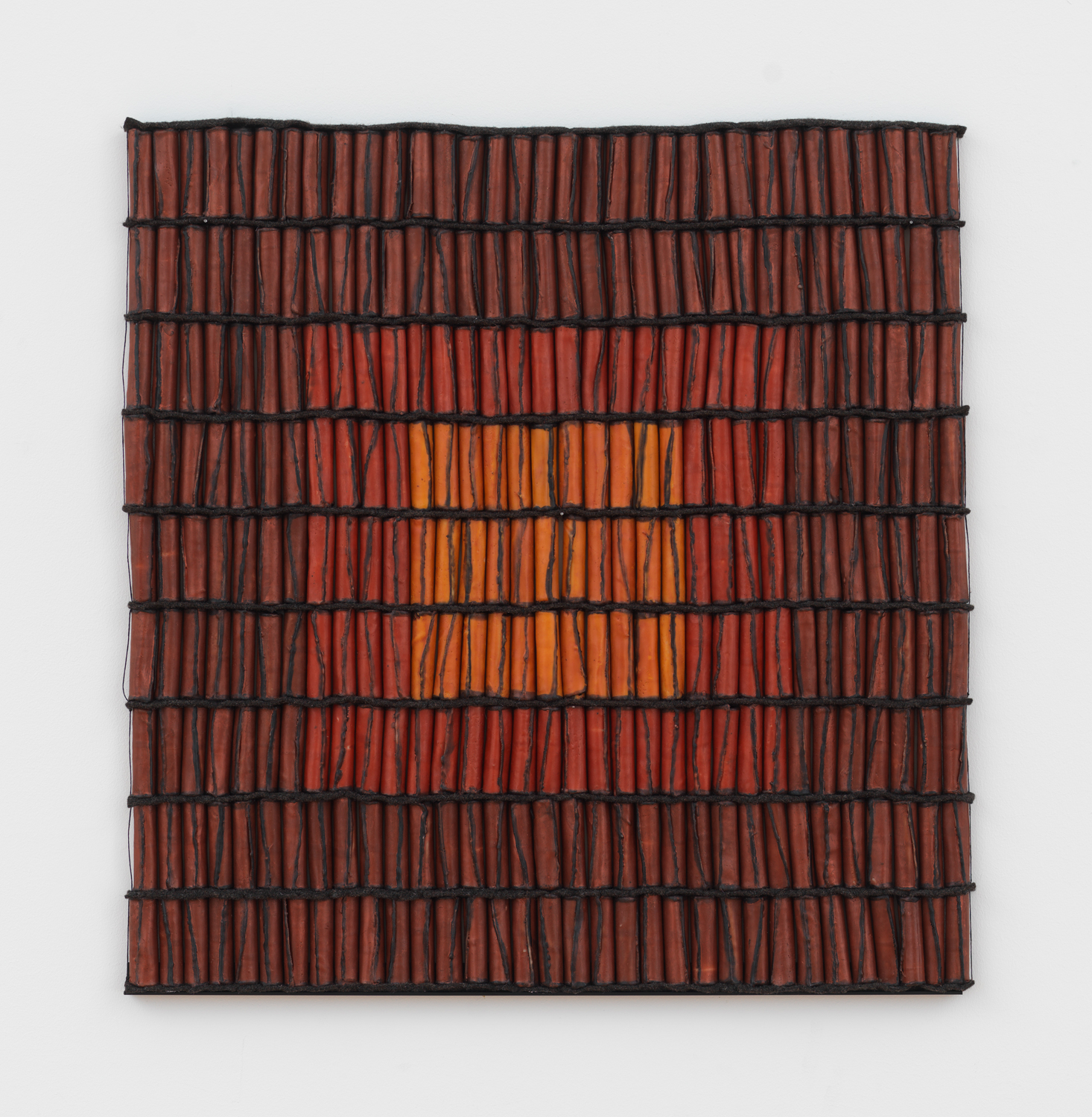
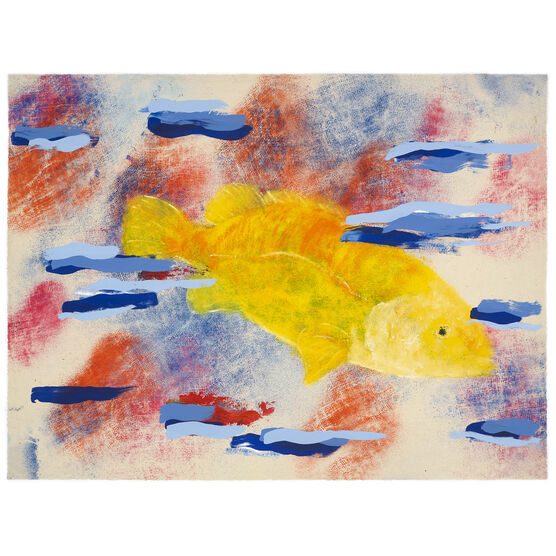
By the end of the fair, however, the highest disclosed transaction was a Jackson Pollock. Hollis Taggart sold Untitled (1951) for approximately $3–3.5 million. The gallery also reported the sale of Jean-Michel Basquiat’s Untitled (Figure Holding Up Fish) (1981) for approximately $1.4–1.6 million.
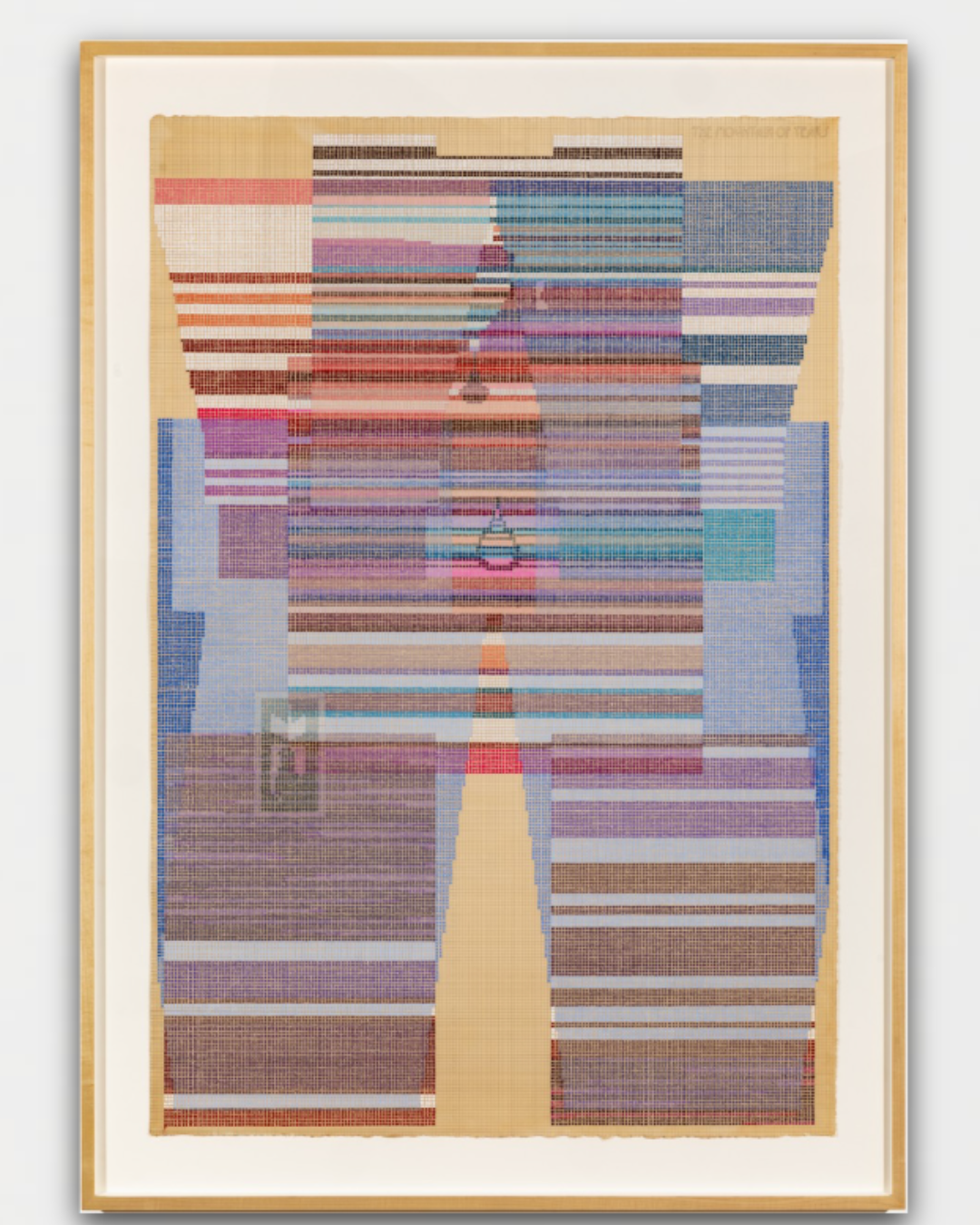
These multimillion-dollar transactions were accompanied by activity further down the market. Works by established artists changed hands in the six-figure range, while galleries also reported numerous sales below $100,000, creating a broader picture than the headline transactions alone might suggest.
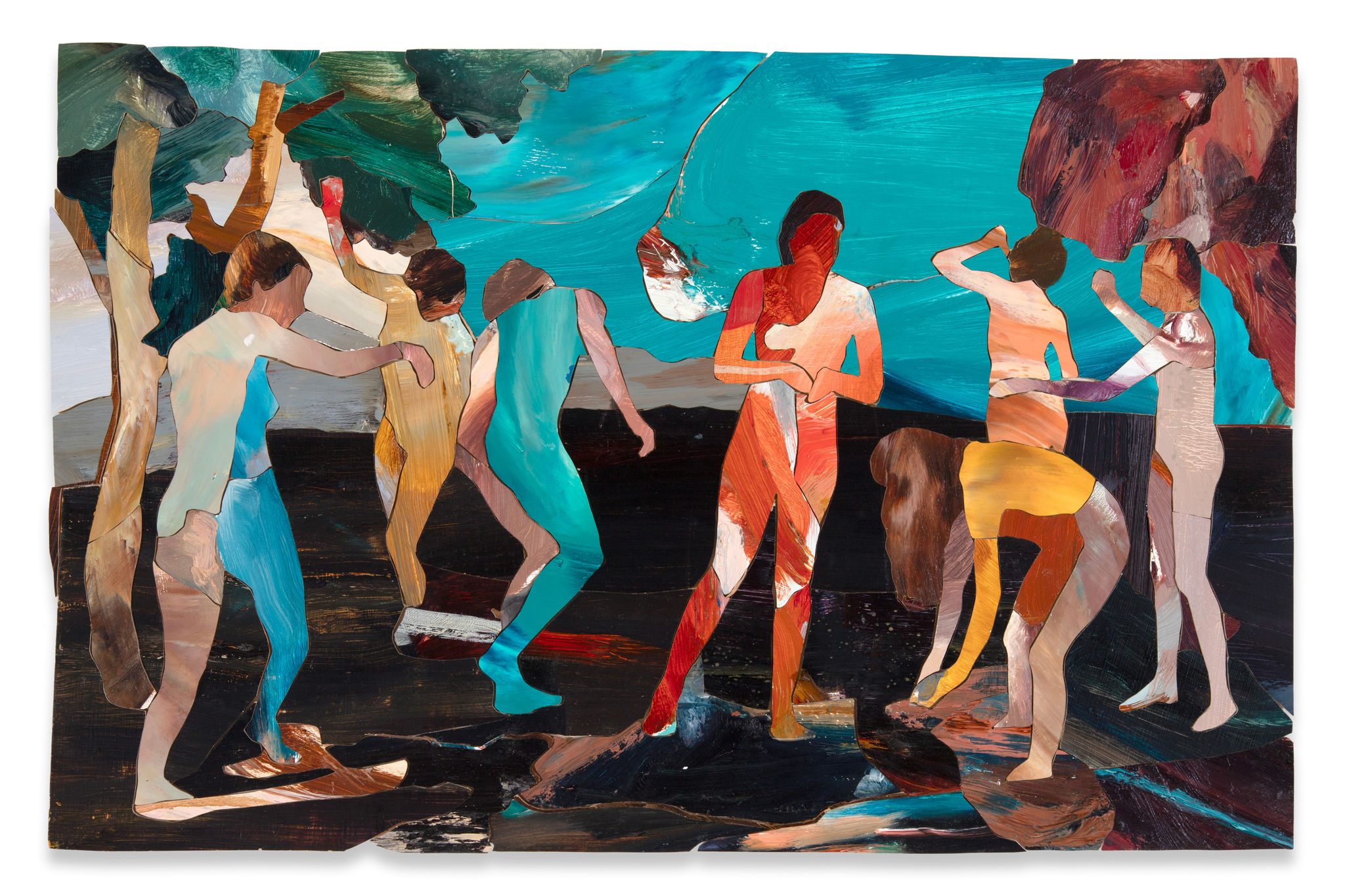
Mennour was one of the clearest examples of the strength of focused presentations. The gallery presented Algerian-born, Paris-based artist Dhewadi Hadjab in his first solo presentation in North America. His paintings examine the body through carefully constructed poses, combining photography with a highly controlled, realist painting technique.
The response was immediate. Mennour sold eight paintings by Hadjab for approximately $110,000 each, nearly selling out the presentation. The result placed a younger contemporary artist alongside some of the fair’s most closely watched commercial performances.
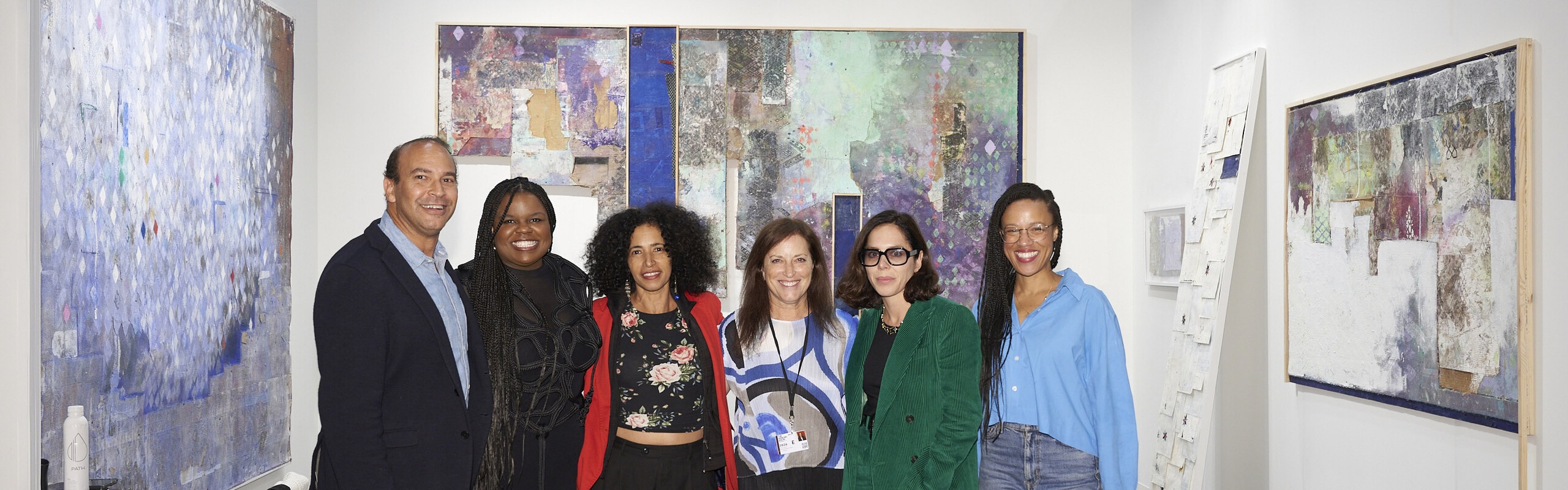
Elsewhere, Nara Roesler sold Sheila Hicks’s The soft side of my nature (2025) for $260,000, while Miles McEnery Gallery placed Inka Essenhigh’s Matisse’s Window (2026) for approximately $110,000–120,000. Numerous galleries reported clusters of sales rather than isolated transactions, indicating activity across a wide range of price points.
Beyond the Blue-Chip Market
What made the 2026 edition interesting was not simply the presence of Pollock, Mitchell or Basquiat.
The fair continued to position discovery as an important part of its identity. Emerging galleries and solo presentations gave collectors opportunities to encounter artists outside the traditional blue-chip circuit, while several younger exhibitors reported strong sales.
This created two parallel narratives inside the Javits Center: at one end, multimillion-dollar works by major figures of 20th-century and contemporary art; at the other, younger artists and galleries finding new collectors and institutional attention.
That combination may be one of the more revealing aspects of this year’s fair. The commercial activity was not concentrated exclusively at the highest end of the market.
Museums Were Buying Too
Institutional engagement also played a visible role in 2026.
The fair introduced new acquisition initiatives involving the Pérez Art Museum Miami and the Bronx Museum. Among the resulting acquisitions, the Bronx Museum purchased Zoë Pulley’s Elegance No. 1 (2026) from Superposition Gallery for $14,000.
The acquisition is a useful counterpoint to the multimillion-dollar figures dominating the sales reports. Art fairs remain commercial environments, but they are also places where emerging artists can enter museum collections and develop relationships with curators, institutions and new audiences.
A Caribbean Perspective
The 2026 edition also looked beyond sales.
A Caribbean curatorial thread ran through the fair, particularly across Focus and Platform, bringing questions of migration, memory, identity and diaspora into the program.
Artists including Gio Swaby, Kachelle Knowles, Lizania Cruz, Joshua Nazario and Bony Ramírez contributed to this wider conversation, while Tavares Strachan’s performance-based presentation at Marian Goodman Gallery transformed the conventional booth environment into a space for live encounter.
The emphasis gave the fair a cultural dimension that existed alongside—and sometimes in contrast to—the commercial rhythm of the aisles.
A Fair Operating at Different Speeds
By its close on September 27, The Armory Show reported approximately 50,000 attendees and sales ranging from several thousand dollars to $3.5 million.
The numbers tell only part of the story. The VIP preview had already demonstrated strong activity within its opening hours, but the fair continued producing sales, acquisitions and new relationships throughout the four days.
The Armory Show 2026 therefore offered a picture of a market operating at several levels simultaneously: blue-chip works reaching seven figures, established contemporary artists trading in the six-figure range, younger galleries finding collectors, and museums acquiring emerging artists at considerably more accessible prices.
Rather than being defined by a single blockbuster transaction, the fair’s 2026 edition was shaped by that range.
From Pollock and Mitchell to Dhewadi Hadjab and Zoë Pulley, The Armory Show brought established market power and new artistic discovery into the same space. In a New York art world where confidence can no longer be measured only by the biggest number on a sales report, that breadth may ultimately be the more interesting story.