Every September I convince myself that I need a new notebook.
I don't need a new notebook. I have several good ones at home, including at least two bought the previous September for whatever improved version of myself was supposed to emerge that autumn.
January gets all the publicity, but September is when many of us actually believe in starting again.
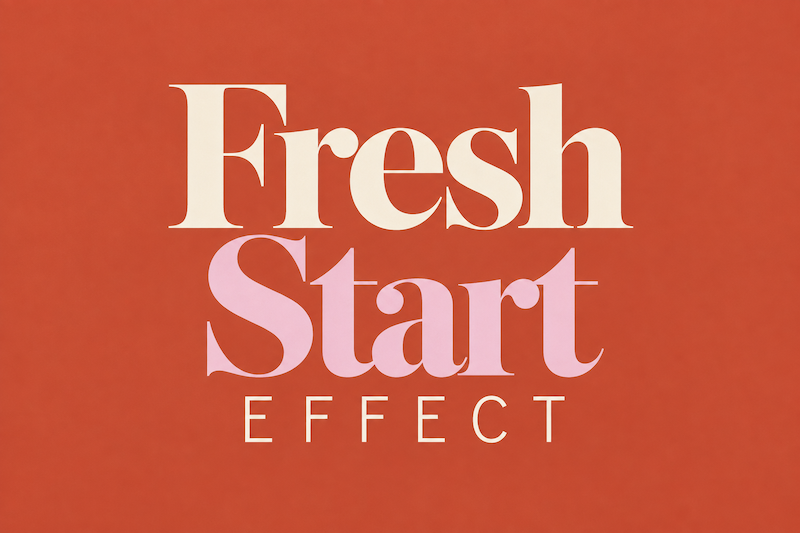
Psychologists Hengchen Dai, Katherine Milkman and Jason Riis coined the term “fresh start effect” for the way temporal landmarks—New Year, birthdays, Mondays, the beginning of a month or semester—can separate our present selves from our past selves and increase aspirational behaviour.
September is particularly interesting because it combines that psychological phenomenon with something cultural: the academic calendar is probably one of the first temporal structures we internalise.
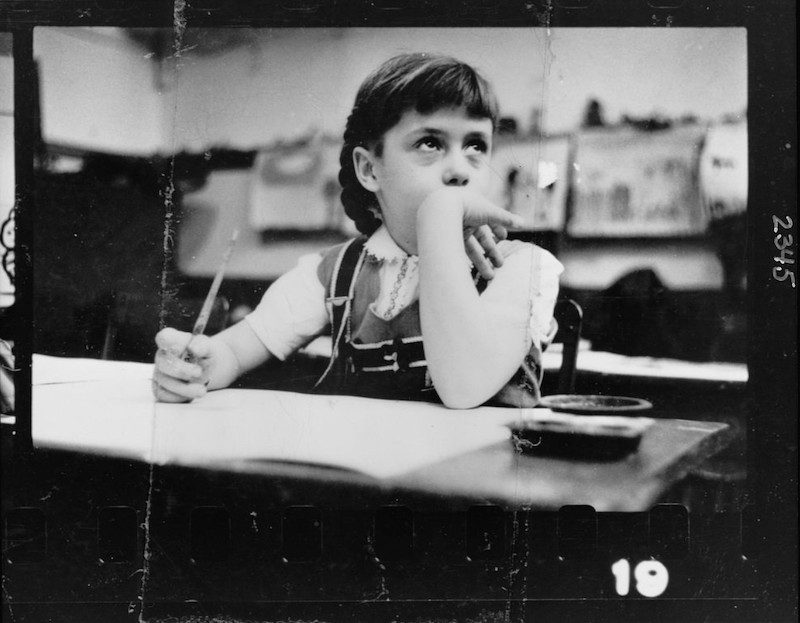
For years, September meant growing up. New shoes, new subjects, and new crushes because, damn, when did that shy boy get so handsome?
Then came the day when school ended for good, but September didn't.
Why do human beings need arbitrary beginnings?
Perhaps because starting again is difficult without a ceremony.
The notebook isn't really about productivity. It's a small physical declaration that your next self doesn't have to look exactly like the previous one.
So I will probably buy the notebook, even though I already know that by November it may contain three shopping lists, five lines of inspiration and a wishful-thinking inventory related to the new life I planned to begin in September.
That's fine.
January is only four months away.