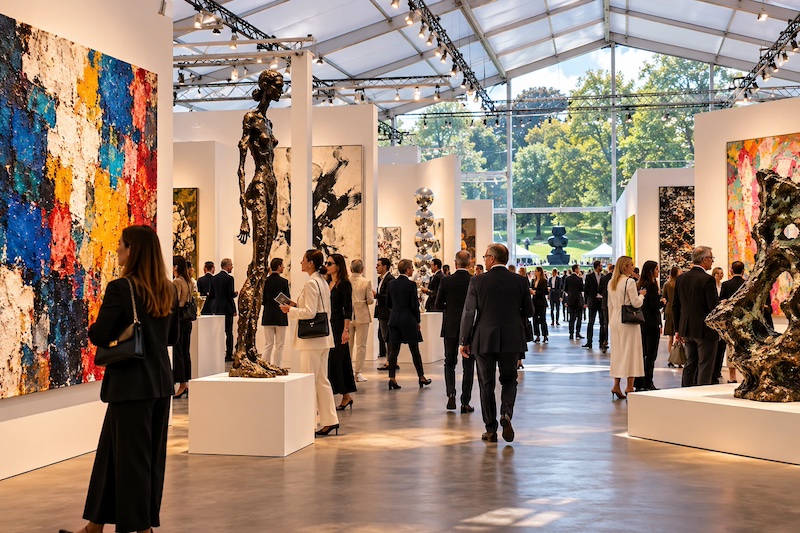
Frieze London 2026 has come to an end, leaving behind more than sales figures and exhibition highlights. It offers a revealing portrait of an art world negotiating the familiar mixture of market optimism, artistic experimentation, commercial success and cultural relevance.
Yet beyond the sales reports and the social calendar, this year's edition offered something worth considering: in an art world increasingly driven by visibility, what does it really mean to discover something new?
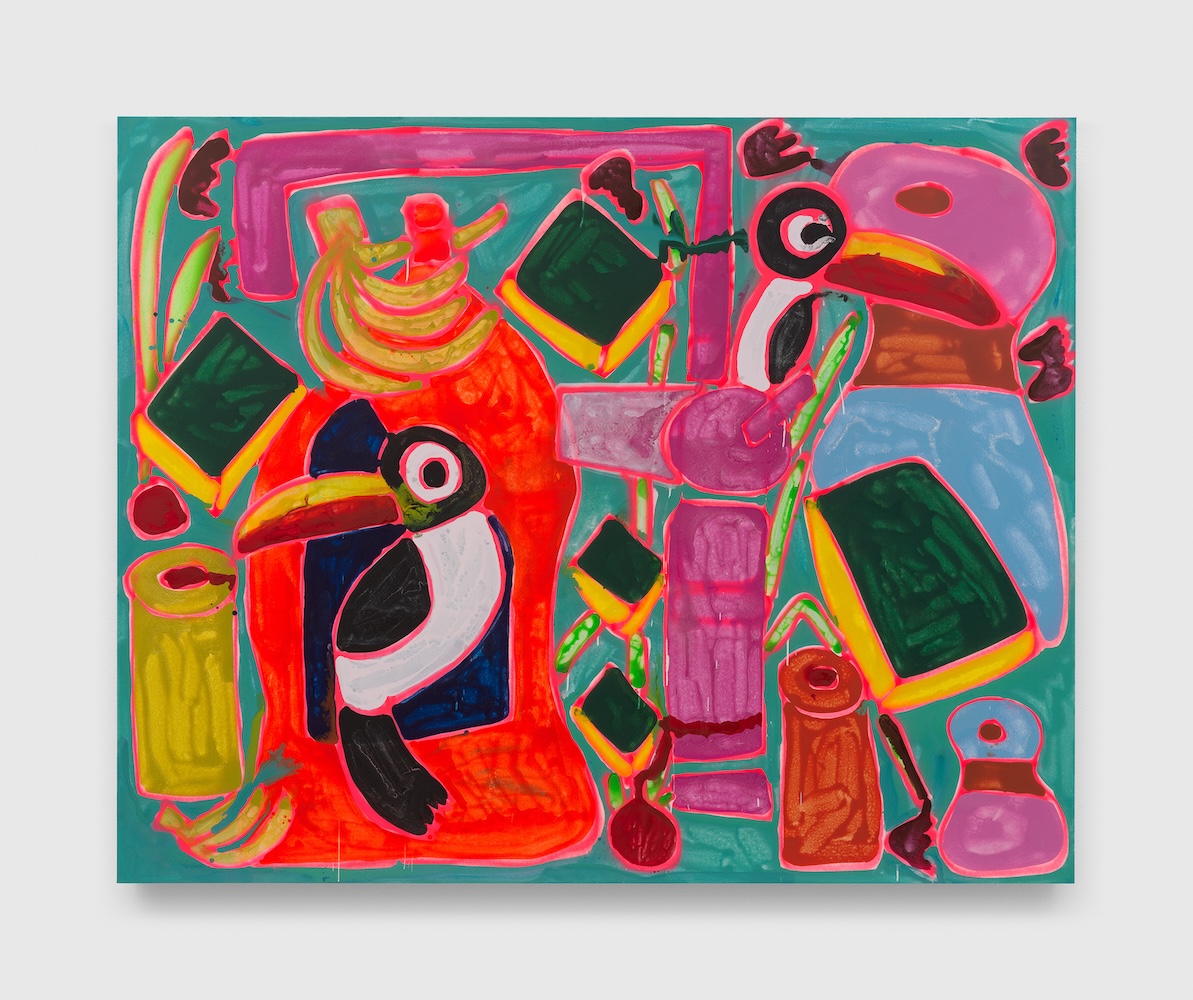
The 24th edition brought together 176 galleries from 43 countries and regions, while Frieze Masters welcomed another 142. Across both fairs, organisers reported 95,000 visitors, with representatives from a record 426 institutions worldwide.
The numbers confirmed London's enduring position as an international art-market centre. More revealing, however, was the attention given to younger galleries and artists whose practices challenged the conventions of the traditional fair booth.
Focus, the section dedicated to emerging galleries, continued to provide an alternative to the established names dominating the main aisles.
Strong sales among emerging and mid-career artists suggested a broader appetite for collecting, while institutional acquisitions offered a more lasting measure of recognition.
For all the emphasis on experimentation, Frieze remains a commercial enterprise, and this year's reported sales demonstrated the continued appetite for established names.
David Zwirner placed a new painting by Michaël Borremans for $1.5 million, while works by Dana Schutz, Avery Singer and George Condo also attracted substantial purchases. Several younger artists, including Unathi Mkonto, Paul Robas and Tamo Jugeli, achieved sold-out presentations.
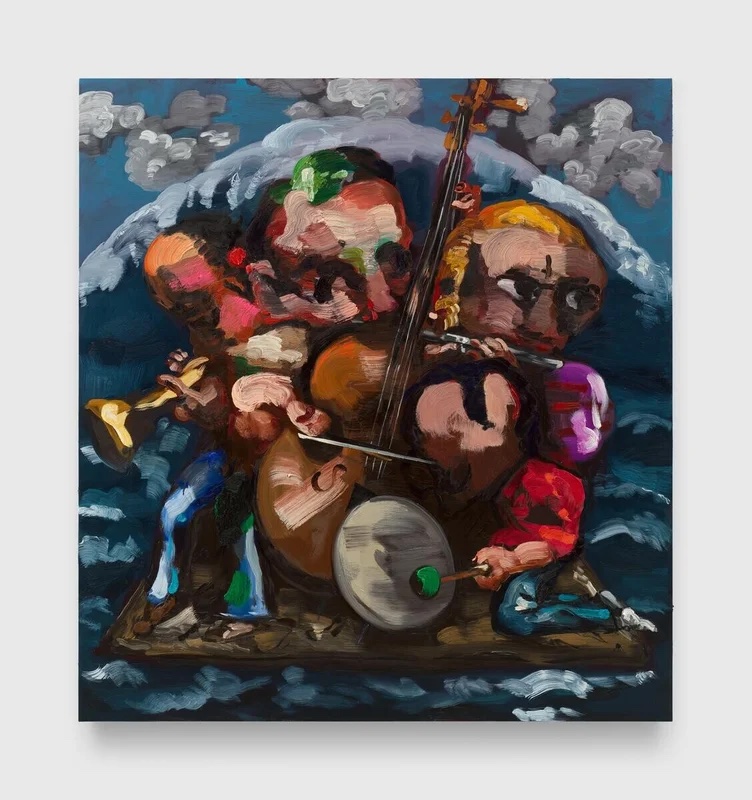
Such figures are encouraging for a market that depends on confidence as much as aesthetic conviction. Yet the commercial success of an art fair does not necessarily tell us much about its cultural significance. The tension between these two forms of value — financial and intellectual — has always existed.
An artwork can sell for a million dollars without changing the way we see the world. Another can remain unsold and continue to influence artistic conversations for decades.
Frieze London is often described as a barometer of the contemporary art market. It is that, certainly. But it is not only an observer of this phenomenon. It is among its most sophisticated participants, a producer of the culture we live in: ambitious, restless, commercially sophisticated and perpetually searching for the next new thing.